
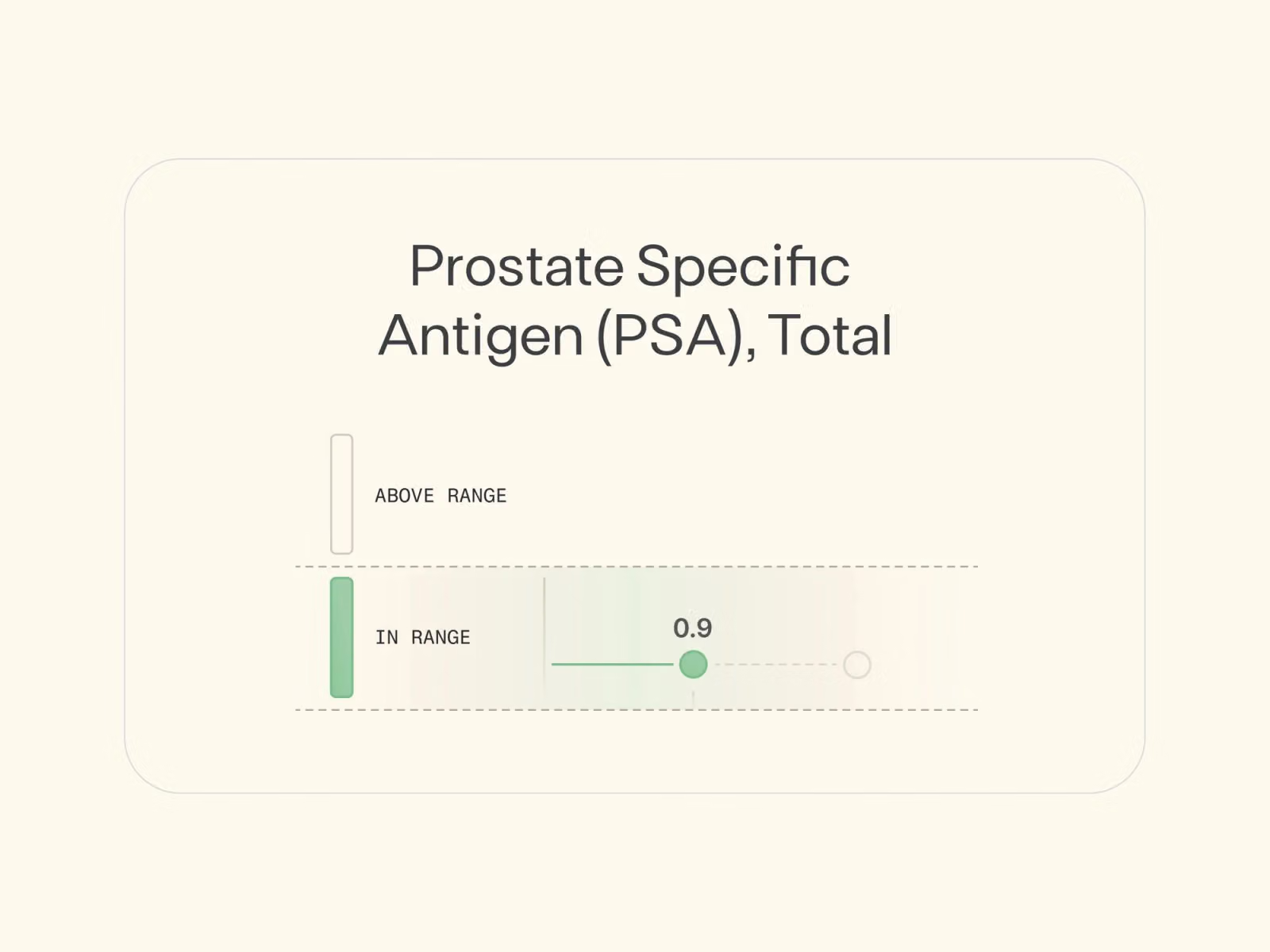
At a glance
-
PSA can be elevated for many reasons, including BPH, prostatitis, exercise, sexual activity, and prostate cancer.
-
PSA Total, PSA Free, and PSA % Free together give a deeper look at prostate health.
-
PSA testing may help identify signs of prostate cancer earlier, when 5-year survival approaches 100%.
-
PSA is one data point—not a definitive diagnosis—and should be interpreted in clinical context.
Prostate-Specific Antigen (PSA) testing is one of the most talked-about—and most misunderstood—topics in men's health. Elevated PSA levels can point to prostate cancer, but they can also reflect a handful of other conditions. Understanding your PSA result is a key part of owning your health.
What is PSA?
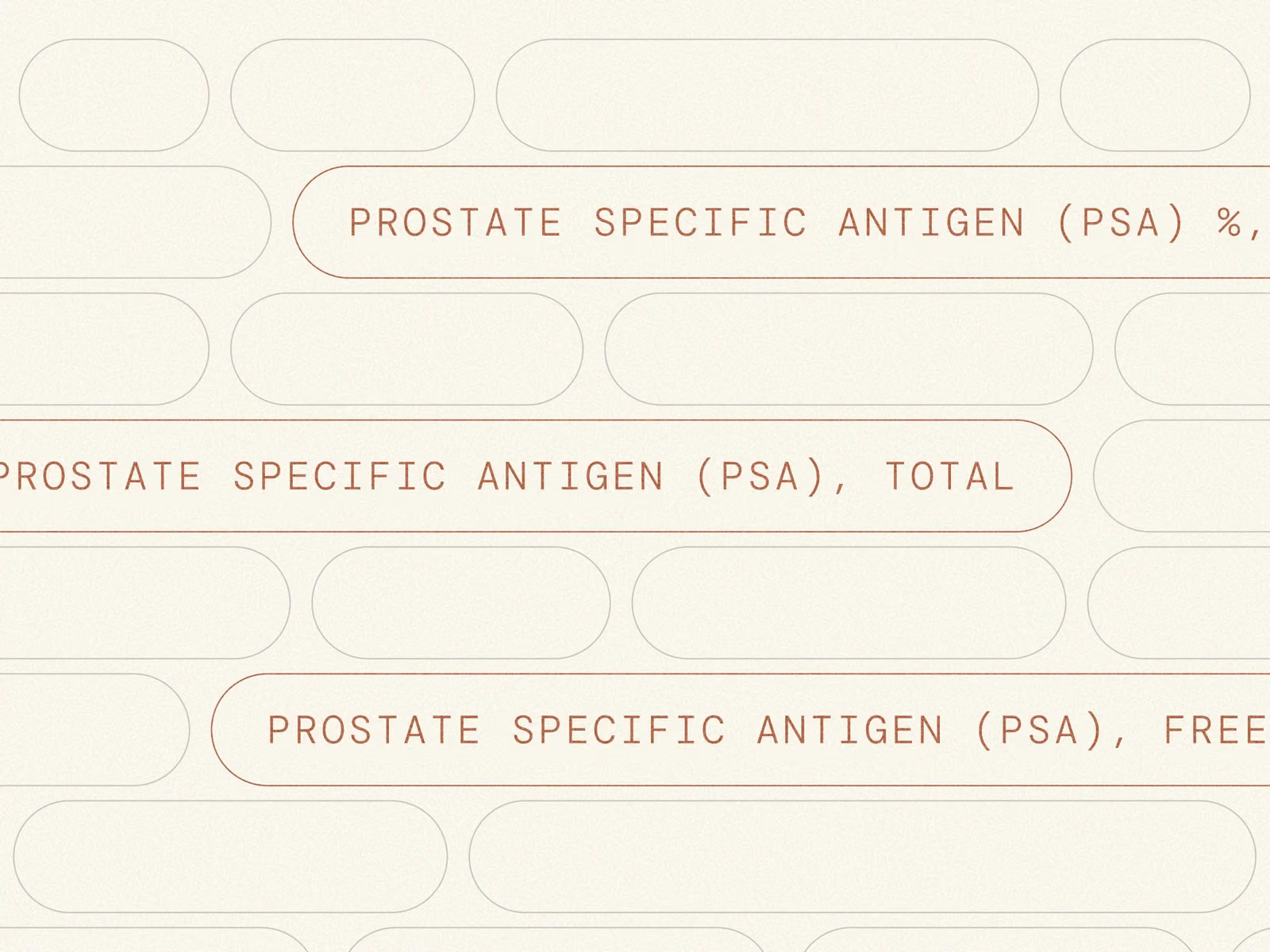
PSA is a protein made by the prostate gland. There are 3 main tests that give you a deeper look at prostate health:
PSA, Total
Your baseline prostate marker that measures all PSA in the blood; both protein-bound and unbound.
PSA, Free
Measures the unbound PSA. Benign prostate changes are linked to more free PSA, while prostate cancer is associated with more protein-bound PSA.
PSA %, Free
The ratio of free to total PSA. A lower percentage suggests more PSA is protein-bound, a pattern more often seen with prostate cancer.
PSA can be elevated for different reasons, including:
- Benign prostatic hyperplasia (BPH): prostate enlargement associated with aging
- Prostatitis: inflammation of the prostate
- Sexual activity: may cause a temporary rise in levels
Potential benefits of PSA testing
PSA testing may help identify signals of prostate cancer earlier. When prostate cancer can be identified and treated in its earliest stages, the 5-year relative survival rates approach 100%.
Over time, large studies that have looked at PSA-based prostate cancer screening have found some reductions in prostate cancer mortality, and research continues for new methods and tools that may improve screening in the future.
PSA and prostate cancer
Prostate cancer is the most commonly diagnosed cancer in American men, accounting for around 30% of all male cancer diagnoses in 2025. PSA level alone cannot definitively diagnose prostate cancer, but a doctor can use other follow-up tests to gather more information. Although guidelines vary, they generally recommend that average-risk men starting at age 50 or 55 discuss PSA-based prostate cancer screening with a doctor. There are nuances and important considerations that make a PSA test worth understanding.
Potential overdiagnosis and overtreatment
Some prostate cancers grow so slowly that they'd never cause symptoms or shorten your life. Finding these types is considered overdiagnosis, and these situations may create anxiety. Treating these could lead to additional interventions, which may expose a person to unnecessary risks. For example, surgery and radiation are associated with risks such as urinary incontinence or erectile dysfunction. These outcomes can affect quality of life.
Caution when interpreting results
Exercise, sexual activity, BPH, or prostatitis can elevate PSA even when no cancer is present, referred to as a false positive. These situations can create stress or trigger more follow-up, which may include monitoring, more lab tests, imaging, physical exam, or biopsy.
In some cases, cancer can be present even when PSA appears normal. That's why PSA is best understood as one data point—not a definitive answer.
Certain risk factors?
There are some people who may be at higher risk for prostate cancer. Risk factors include:
- Men over 50
- Black men
- Men with a family history of prostate cancer
You may also want to speak to your doctor if you're experiencing urinary symptoms such as:
- More frequent or urgent urination
- Waking up at night to urinate
- A weak or interrupted flow
- Difficulty fully emptying the bladder
PSA in review
Awareness matters. We believe access to more comprehensive data, longitudinal tracking, and personalized health insights is empowering, which is why Function gives you access to 160+ lab tests, including PSA Total, PSA Free, and PSA % Free.
PSA isn't a perfect test. A higher PSA level can mean increased prostate activity, and cancer is just one possible reason. In some cases, prostate cancer may still be present even when PSA levels look normal. That's why context and clinical interpretation are important.
At Function, PSA can help establish a starting point to track changes over time. It isn't reviewed on its own. You get detailed Clinician Notes that explain your results in context, including factors like age, risk factors, symptoms, and other lab results. A single number doesn't give a full answer—it's one piece of your larger health picture.