
At a glance
-
Oral contraceptives significantly reduce the risk of ovarian and endometrial cancer.
-
There is a small, temporary increase in breast and cervical cancer risk during use.
-
Understanding both sides helps you make sense of your own risk.
Birth control pills have been one of the most widely used methods of hormonal contraception for decades. Research has raised questions about how hormonal contraception influences cancer risk—including both potential increases and meaningful reductions depending on cancer type.
How birth control pills affect the body
Some quick definitions before we get into the science: Progestogen is an umbrella term for any hormone that acts like progesterone. The body makes progesterone naturally. Progestins are the synthetic form used in medications like the birth control pill.
The combined pill contains a synthetic estrogen and a progestin. It works by:
- Preventing ovulation (release of an egg)
- Thickening cervical mucus so it's harder for sperm to reach the egg
- Thinning the uterine lining to reduce the chance of an egg implanting
Ovarian cancer
Ovarian cancer accounts for around 1% of all new cancer cases in the US each year.
Using the pill reduces ovarian cancer risk by around 30–50% compared to people who've never used it. Multiple large-scale studies have found that this protection can last for years after you stop taking it.
Why does the pill lower ovarian cancer risk?
The “incessant ovulation” theory offers one explanation: The more uninterrupted ovulation cycles you have over your lifetime, the higher your ovarian cancer risk. Each cycle triggers tissue changes, inflammation, and hormonal fluctuations, all of which can increase the chance of abnormal cells accumulating into precancerous growths.
The combined pill interrupts this cycle. Fewer ovulation cycles mean less tissue stress on the ovaries, which in turn lowers the likelihood of cancerous changes developing over time.
Breast cancer
Breast cancer accounts for around 15% of all new cancer cases in the US each year.
Research shows that the combined pill is linked with a slight increase in breast cancer risk while it's being taken. The absolute risk of breast cancer under age 50 is low, so the small increase tied to pill use still represents a small overall chance of developing breast cancer.
Why does the pill increase breast cancer risk?
Despite estrogen historically taking the blame, emerging evidence suggests that progestins are likely key drivers of the pill’s small associated increase in breast cancer risk. Estrogen appears to contribute by making breast tissue more responsive to progesterone, which can amplify the effects of the progestogen component.
Cervical cancer
Cervical cancer accounts for approximately 0.6% of all new cancer cases in the US each year.
Long-term pill use may also slightly increase the risk of cervical cancer. That risk gradually decreases after stopping use of the pill—and 10 years after stopping, studies suggest there's no longer any elevated risk. Routine cervical screening and HPV vaccination significantly reduce the overall risk of cervical cancer and help catch changes early, when treatment is most effective.
Why does the pill increase cervical cancer risk?
The pill doesn't cause cervical cancer directly. Synthetic hormones may interact with certain HPV strains—some research suggests estrogen can activate genes in high-risk HPV types, potentially affecting how the virus behaves in cervical cells. Separately, hormonal contraceptive use may be associated with reduced ability to clear HPV infections, though the reasons for this aren't fully understood. This only applies if you're already HPV-positive, which is why vaccination and routine screening matter so much.
Endometrial cancer
Uterine cancer (of which endometrial cancer is a subtype) accounts for around 3.2% of all new cancer cases in the US each year.
The pill reduces endometrial cancer risk, similar to the protection it offers against ovarian cancer. The longer it's used, the greater the protective effect, which can last for years after stopping.
Why does the pill lower endometrial cancer risk?
Estrogen on its own can overstimulate cell growth in the uterine lining. Over time, this can increase the risk of endometrial cancer. The progestin in combined birth control pills helps counteract this by limiting that growth and protecting the uterine lining. But this effect doesn't apply everywhere in the body. In breast tissue, hormone signaling is more complex, and progesterone-type signals can, under some conditions, encourage the growth of hormone-sensitive cells. That’s part of why the same progestin that helps protect the uterus can be involved in a small increase in breast cancer risk when used in combined hormonal birth control.
What about women with BRCA mutations?
The BRCA1 and BRCA2 genes produce proteins that help repair DNA errors during cell division. Mutations in these genes can allow abnormal cells to accumulate, raising the risk of both ovarian and breast cancer above what's typical for the general population.
If you have a BRCA mutation or a strong family history of ovarian or breast cancer, it's worth discussing contraceptive options with a doctor who can weigh the full picture of your individual risk.
Weighing risk and benefit
Hormonal contraception, including the combined pill, offers reliable pregnancy prevention and can help manage heavy or painful periods. It also carries significant long-term benefits, including reduced risk of ovarian and endometrial cancer.
At the same time, there may be a small increase in the risk of breast and cervical cancer during use. Cancer risk is shaped by multiple factors beyond contraception, including age, genetics, and overall health. For most people, the benefits outweigh the risks—but the right choice for you depends on your health history.
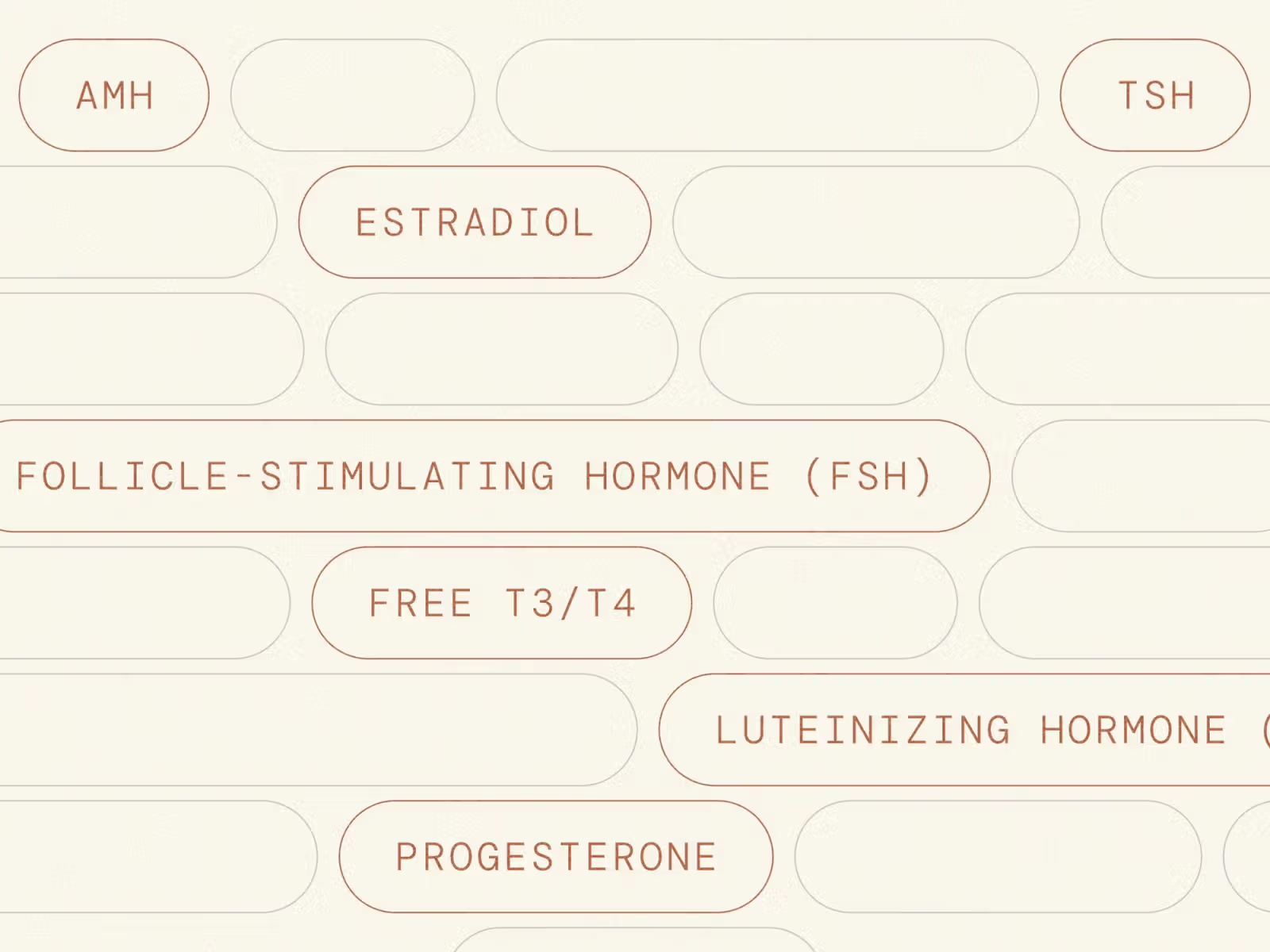
Understanding your baseline can help you make more informed decisions about your health. Function's Annual Test includes key hormone and female health tests such as Estradiol, Follicle-Stimulating Hormone (FSH), Luteinizing Hormone (LH), and Progesterone. If you're on the combined pill, you can't test these hormones through Function because the pill changes the results. But you can still test other markers that influence your hormonal health and fertility, such as AMH, TSH, and Free T3/T4. For an additional cost, Function members can access a ~22-minute Annual MRI, which looks for signs of cancer (including uterine and ovarian) and hundreds of other conditions, as well as the Galleri® Multi-Cancer Test—an Add-On Test that looks for cancer signals across 50+ types of cancer, including breast, ovarian, cervical, and uterine–in just one blood test. Together, labs and MRI give you a clearer picture of your health.